CALL FOR A FREE QUOTE TODAY!

Level 5 Finish vs. Texture: Which Drywall Look Is Right for Your Home?
2/14/20264 min read
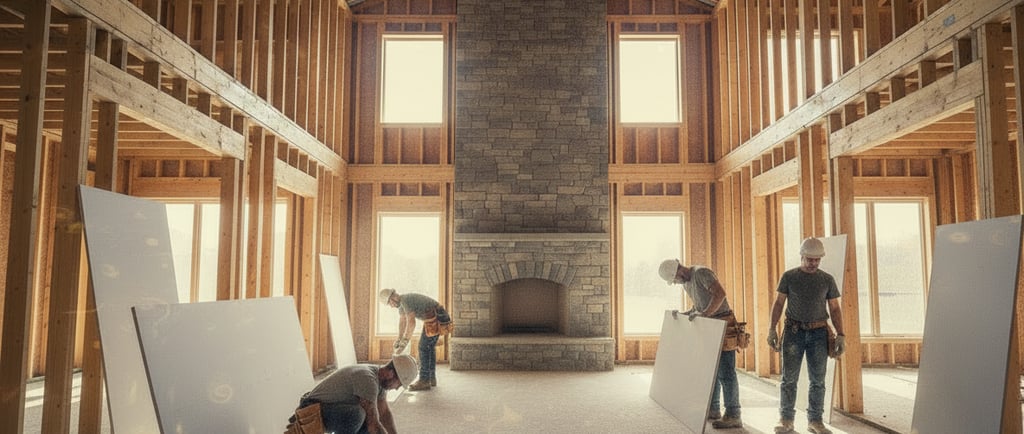
When building or remodeling a home, drywall finish may not be the first design decision on your list — but it has a massive impact on how your space looks and feels. The choice between a Level 5 smooth finish and a textured finish can shape everything from lighting reflections to long-term maintenance.
So which drywall look is right for your home? Let’s break it down.
The “Smooth” Standard: What Is a Level 5 Finish?
A Level 5 drywall finish is considered the highest standard in drywall preparation. It goes beyond taping, mudding, and sanding the seams. After the standard finishing process, a thin skim coat of joint compound is applied over the entire wall surface. This creates a completely uniform, ultra-smooth finish.
Why is this important?
Because drywall is naturally porous and uneven at a microscopic level. Without a skim coat, differences between paper facing and joint compound can show through — especially under certain lighting conditions.
Level 5 is often the preferred choice for:
Modern, minimalist homes
High-end custom builds
Walls with high-gloss or semi-gloss paint
Spaces with large windows or dramatic lighting
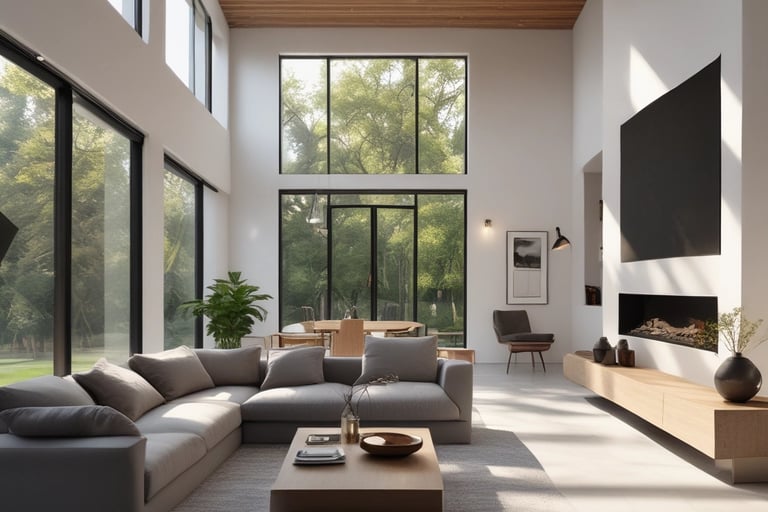
If your aesthetic leans toward crisp lines, clean surfaces, and a contemporary feel, Level 5 delivers that seamless look. It creates the perfect canvas for bold paint colors or reflective finishes that would otherwise reveal flaws.
However, achieving a true Level 5 finish requires skilled craftsmanship and attention to detail. It is more labor-intensive and typically costs more than textured finishes.
The Texture Options
If smooth walls feel too sterile — or if you want something more forgiving — textured finishes offer both style and practicality.
Here are a few popular options:
Knockdown
Knockdown texture starts with sprayed compound that is lightly flattened with a trowel after it partially dries. The result is a subtle, mottled appearance. It’s modern yet forgiving and very popular in many regions.
Orange Peel
Orange peel texture resembles the slightly bumpy surface of its namesake fruit. It’s one of the most common drywall textures because it’s subtle, consistent, and effective at hiding minor surface imperfections.
Skip Trowel
Skip trowel texture has a more artistic, hand-applied look with random, organic patterns. It adds character and depth to a space and is often seen in Mediterranean or Southwestern-style homes.
One major advantage of texture? It naturally disguises small dents, uneven joints, and minor imperfections. In homes where walls may take occasional bumps from furniture, kids, or everyday living, texture can be a practical solution.
Both finishes have pros and cons when it comes to upkeep.
Repairs
Textured walls are often easier to patch invisibly. If a small hole or crack appears, a skilled contractor can blend in texture to match the surrounding area.
With a Level 5 smooth finish, repairs must be perfectly feathered and re-skimmed. Any unevenness may stand out, especially under strong lighting. Smooth walls demand precision.
Cleaning
On the flip side, smooth walls are generally easier to clean. Wiping down a flat surface is simple and straightforward.
Textured walls can trap dust in crevices, making them slightly harder to clean thoroughly. However, for most homeowners, this difference is minor unless the texture is very heavy.
Durability and Maintenance
The Lighting Factor: Why Finish Matters More Than You Think
One of the most overlooked elements in drywall finishing is lighting — specifically something called grazing light.
Grazing light occurs when natural sunlight or artificial light hits a wall at a low angle. Think of:
Large floor-to-ceiling windows
Recessed ceiling lights placed close to walls
Wall washers or accent lighting
When light travels across the surface at a sharp angle, even tiny imperfections cast shadows. A poorly finished wall under grazing light can look like a mountain range — ridges, bumps, and seams suddenly become highly visible.
This is where Level 5 truly shines. The skim coat reduces surface variation and minimizes shadowing.
If your home design includes expansive windows or dramatic lighting features, investing in a Level 5 finish can prevent future disappointment.
Textured finishes, however, scatter light naturally. The intentional pattern disguises small flaws because the eye expects variation.
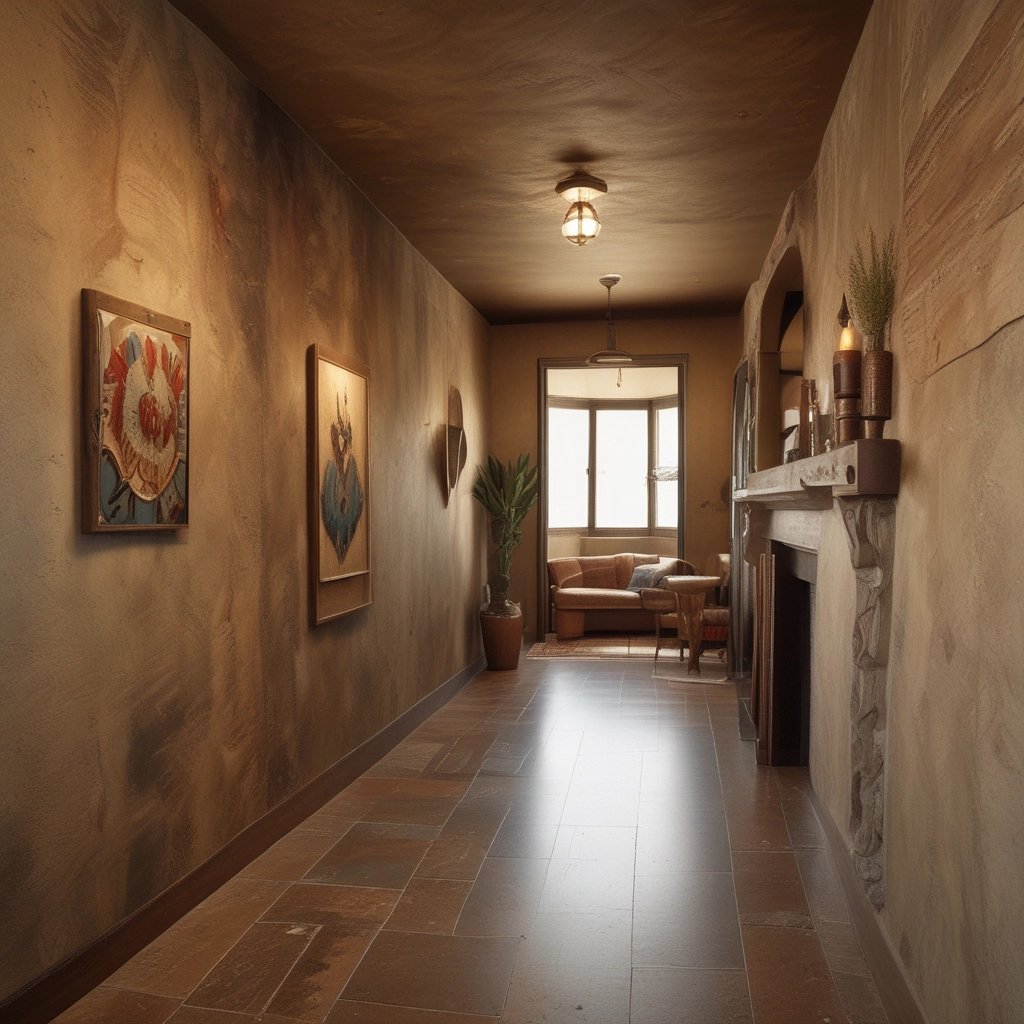
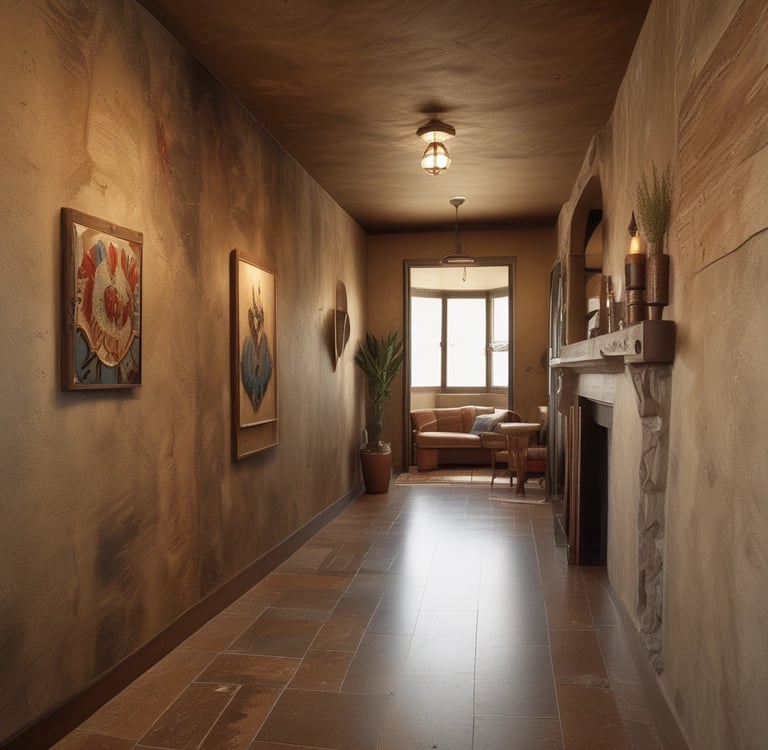
Textured walls and ceilings are more common in south and southwest design.
So Which Should You Choose?
There’s no universal “right” answer- only what fits your style, budget, and home design.
Choose Level 5 smooth finish if:
You want a sleek, high-end, modern look
You’re using high-gloss or bold paint colors
Your home has strong natural or directional lighting
You value ultra-clean aesthetics
Choose Texture if:
You want a bit of visual character
You prefer a more forgiving surface
You want easier patch repairs
You’re balancing cost with durability
Ultimately, drywall finish isn’t just a construction detail — it’s a design decision that influences how your home feels every day.
Before making your choice, consider lighting, maintenance expectations, and your overall design vision. When done properly, either option can look beautiful. The key is making sure the finish aligns with your home’s architecture and how you live in the space.